
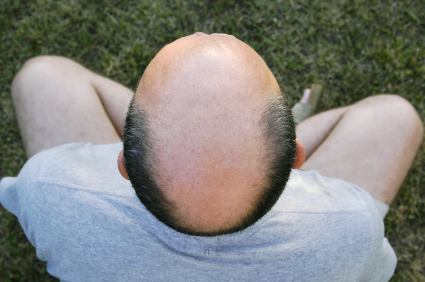
 Hair transplant techniques have evolved leaps and bounds over the past 50-60 years. That is especially apparent in the past 20 years as technology, computers and overall general surgical knowledge and techniques seem to be moving forward almost faster than most normal humans can even comprehend. And with the internet, new developments in research can be shared more quickly across the globe, whereas in the past, a hair transplant innovator would have to wait until a major conference or their turn to publish in a magazine to let the rest of the hair transplant community know about their findings. With this new more microwave ready instant world we live in, it is a great time to be considering being a hair transplant patient.
The current techniques are eons ahead of what doctors were doing when they first experimented with hair transplants in the 1950s and 60s. Can you imagine being a guinea pig for a doctor trying to innovate hair transplant techniques back then? Ouch! I imagine a doctor with a big thick metal needle and a kitchen knife cutting off pieces of a guy’s head and trying to sew or glue them back in place on different parts of the head. It may not have been that bad, but you get the idea – we are lucky to be alive when we are and have the benefit of living in what may be the golden age of hair transplant techniques.
Contrary to popular belief, a hair transplant does not necessarily mean having too tolerate excessive amounts of pain. With today’s techniques and the vast array of strong and mild pain medications and topical ointments and the like available to both doctors and patients over the counter, managing pain has gotten a lot easier for all involved. That doesn’t mean it is an entirely painless process, but it certainly isn’t any more painful than getting a cut stitched up, getting a needle in your arm or a visit to the dentist.
Back in the day, doctors would remove a lot more of the scalp than was needed to create a donor patch of hair. Now with lasers and other precision magnifiers and instruments used, they only have to take a thin layer of scalp and hair to make the process work. The hair follicles transplanted are specifically chosen from a part of your had that houses hair that is genetically resistant to thinning or balding. It is certainly most commonly used to fill in head hair, but also can be used at times to re-fill hair in the eyebrows, face, chest and other body parts as needed or desired.

